|
|
|||||||||||||||||||||||||||||||||||||
p>
|
Home > About Us > Technology Our
Technology
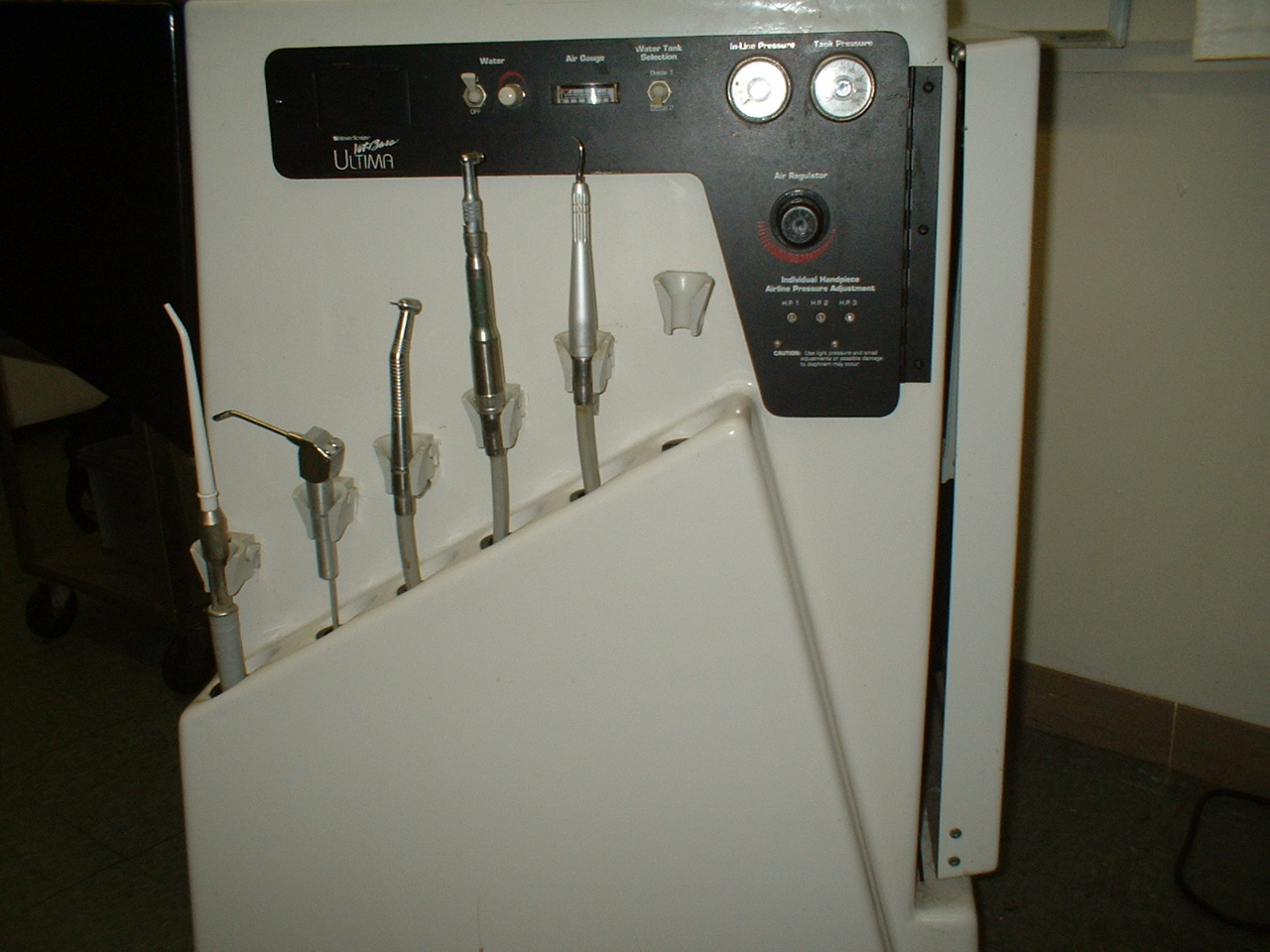
Staying in tune with our state of the art facility, we
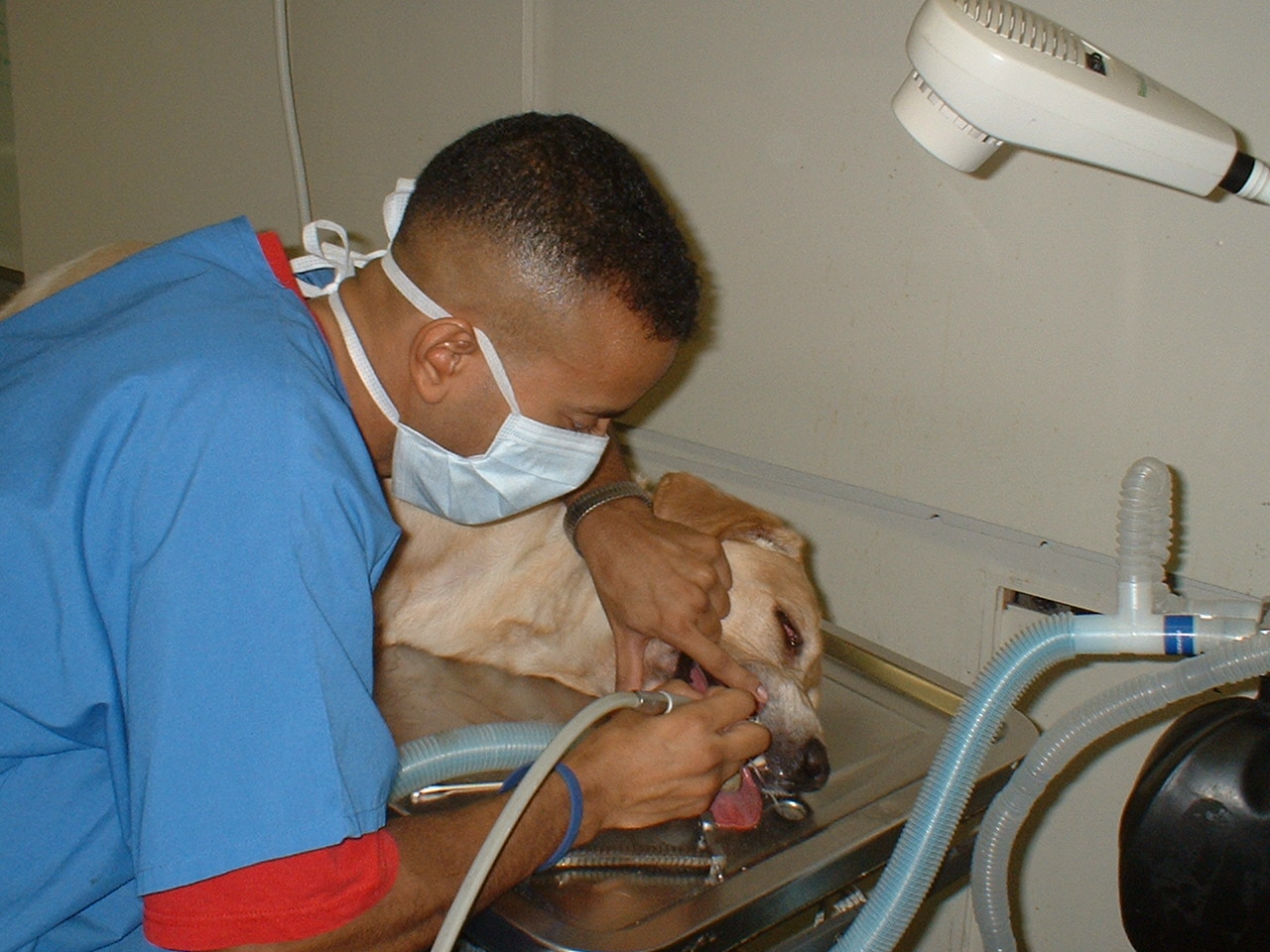
offer nothing but the best when it comes to your pet’s oral health. By
using a high speed ultrasonic scaler, tartar and plaque is quickly and
efficiently removed from your pet’s teeth. Our scaler is equipped with
multiple attachments that allow us to clean between the teeth as well as above
and below the gum line where plaque may hide. We then polish all
surfaces of the teeth. To increase time between dental cleanings, we can seal
the tooth surface and dispense weekly preventative to help control plaque
buildup. Our main goal is to use the best tools possible to clean your
pet’s teeth while minimizing the time spent under general anesthesia.
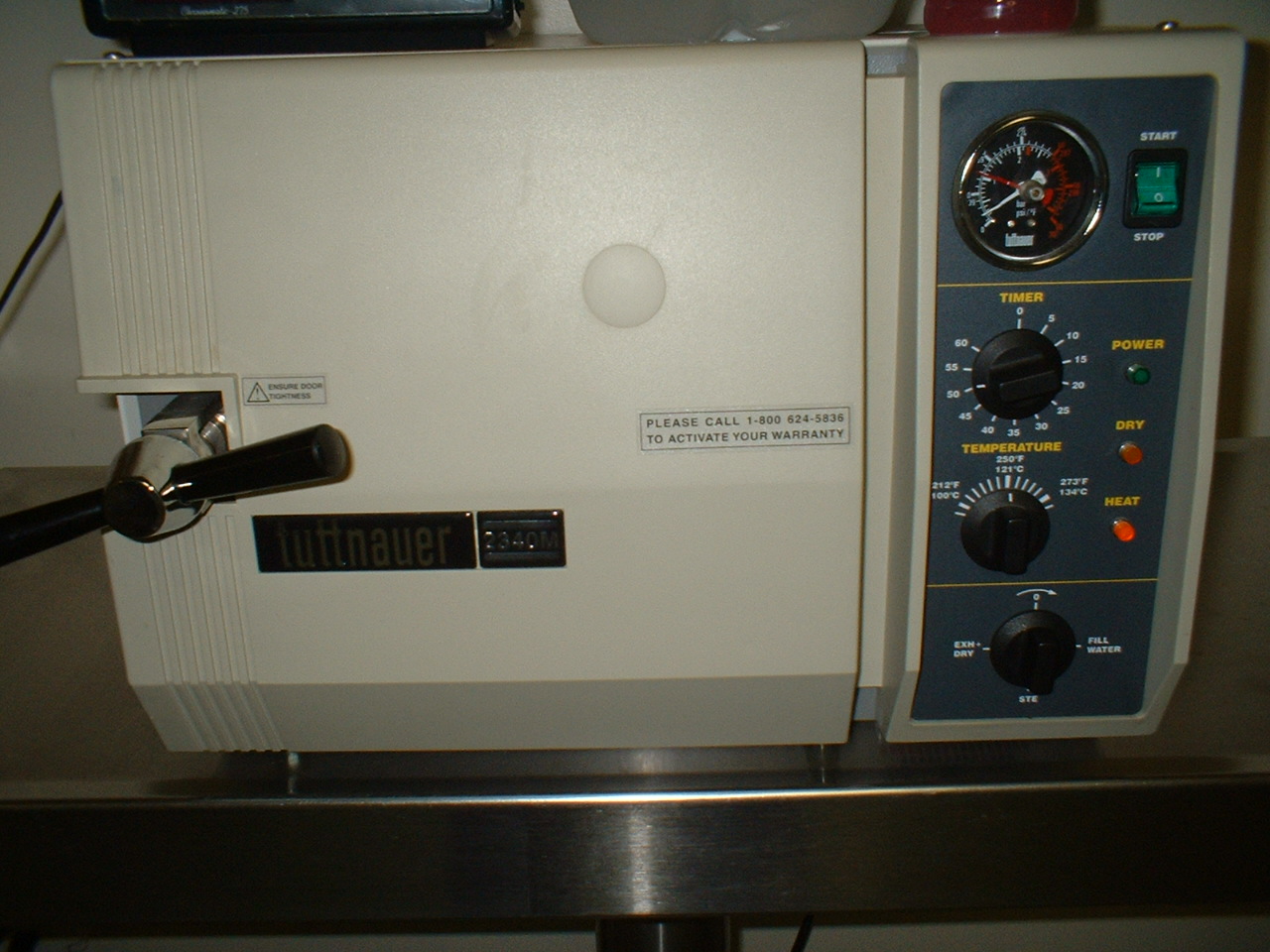
The machine sterilizes with high
temperature and high pressure our surgery equipment.
Blood screening Pets are unable to tell their owners when they are
not feeling well. By screening your pet’s blood, our doctors are able
to get a better idea of what is happening internally with their organs and
organ systems. With only a few drops of blood and our IDEXX snap test we are
able to determine the status of serious diseases such as heartworm, lyme, ehrlichia,
parvovirus, feline leukemia, and feline aids. Our lab can also take a
more in depth look at white and red blood cell count, platelets and
electrolytes, which could alert doctors to an infection, anemia or
dehydration. We can also customize panels looking at particular organs and
organ systems ensuring the best treatment plan for your pet. Early
detection is the key to optimizing treatment. X-Ray,
EKG, Ultrasound & Blood Test
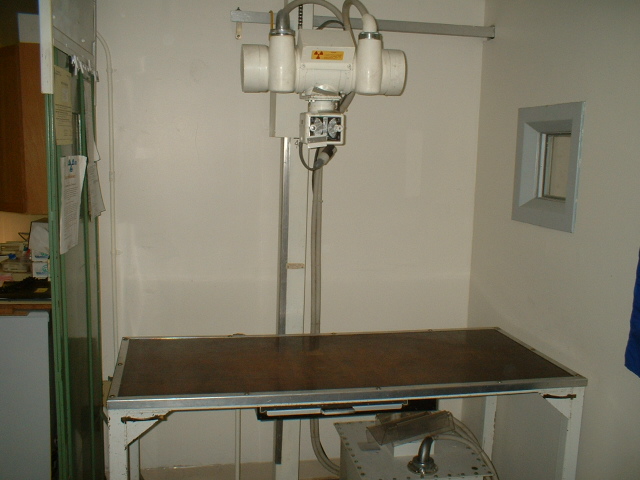
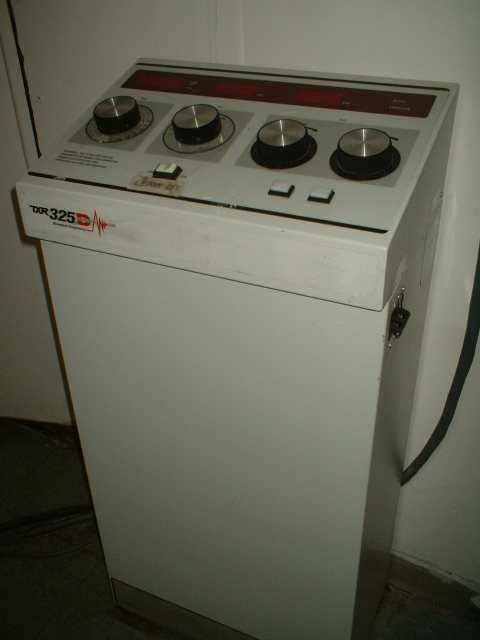
X
Ray
X Ray controller
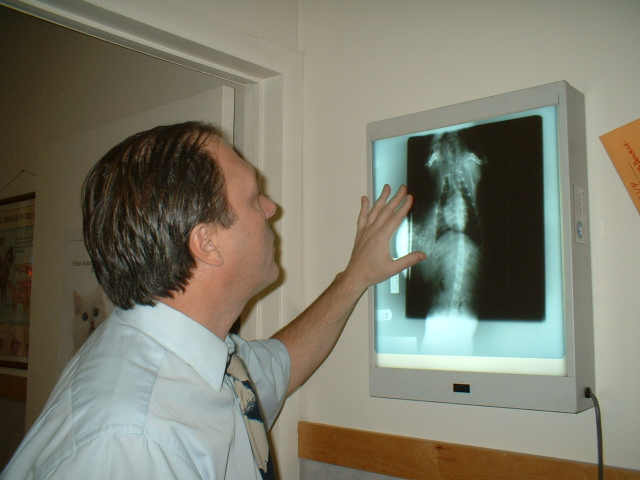
X
Ray film study
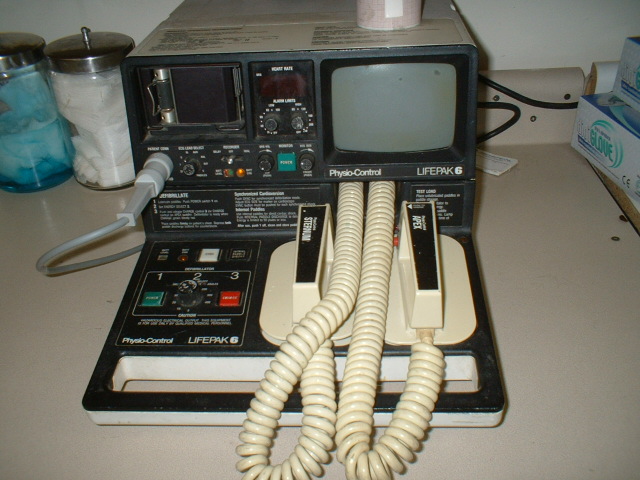
EKG Monitor - Defibrilator
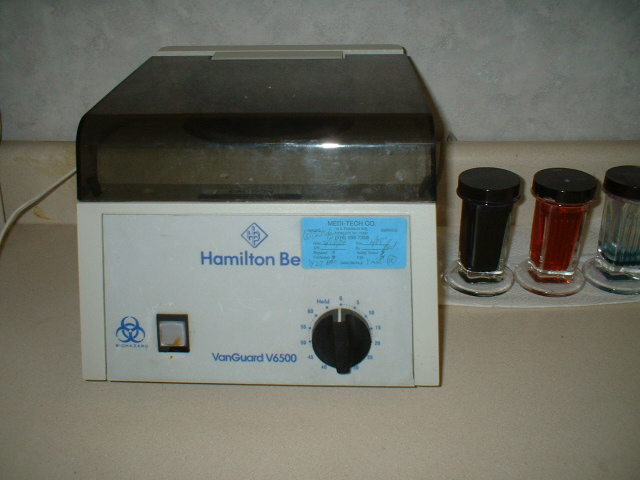
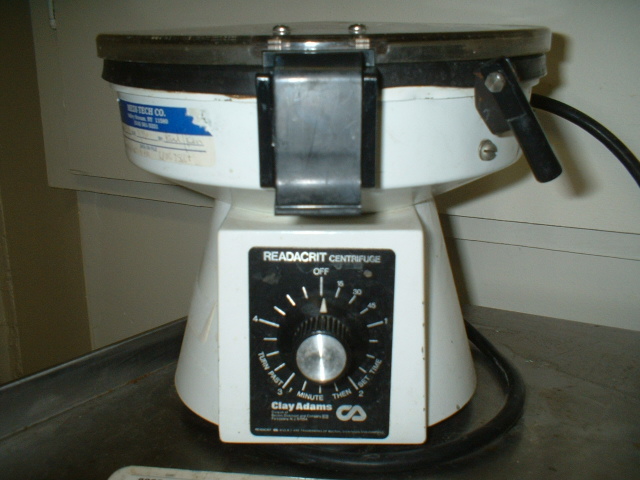
Blood centrifuge
Prepare
the blood for the Laboratory examination
This very important machine
called Hematocrit Centrifuge.
It
is separate the blood cell from the serum, so it shows to the doctor if the
animal has hemorrhage.
We understand how concerning it is as an owner to have your pet
undergo anesthesia. That’s why in addition to using Isoflourane, the
safest gas anesthesia available, we make anesthetic monitoring a priority at
Animal Hospital of Morris Park. We achieve this by using an ECG and
heart rate monitoring as well as an experienced technician to observe vital
signs and respiration.
Technician observations –
A trained technician continually monitors our patients throughout anesthesia
by noting the following: mucous membrane color (which can indicate shock),
capillary refill time, breathing rate, and anesthetic depth.
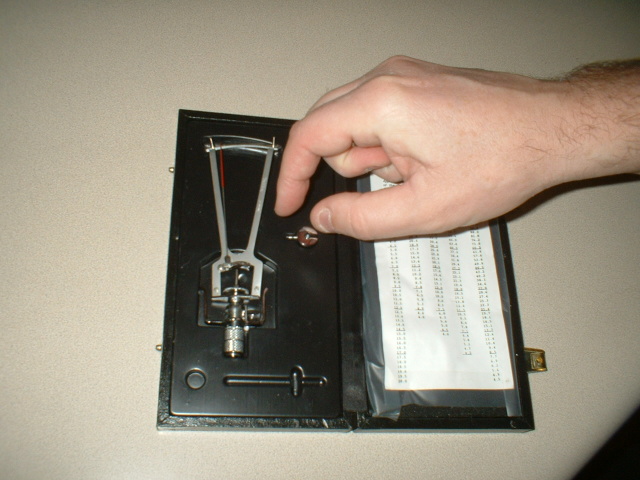
Tonometry
Tonometry is a useful tool to detect diseases of the eye. Urine
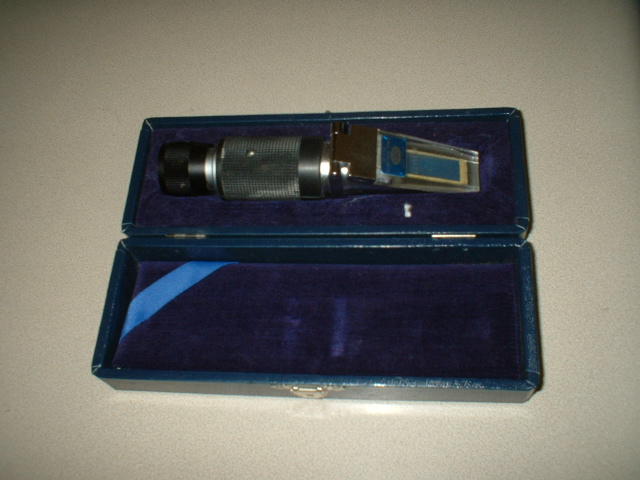
Specific Gravity Test Instrument
To determine the specific gravity, a drop of urine is placed into this
instrument called a "refractometer." In simplest terms, specific
gravity indicates how well the kidneys are able to concentrate the urine.
Sadly, once a pet is lost, the odds are
against her finding her way home again.To give your
pet the best chance to be identified, no matter how far he roams, have him
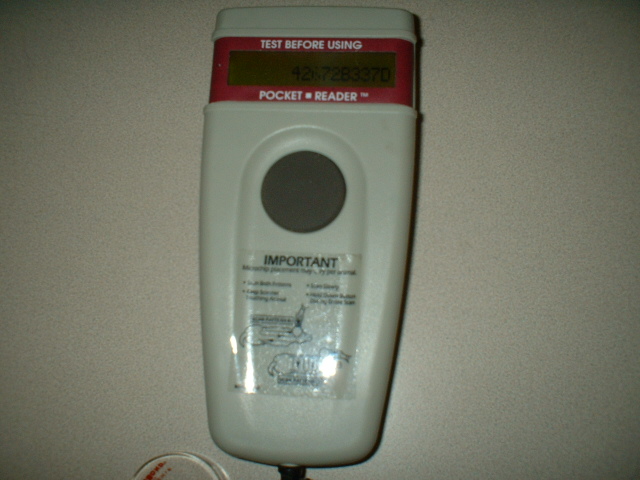
implanted with a microchip. The veterinarian injects a tiny computer
chip—about the size of a grain of rice—just under your pet's skin, between
the shoulder blades. Then the number on the computer chip is entered in an
international database, like the Central Animal Registry or PETtrac Home
again. If your dog or cat is found, any animal hospital, shelter, or humane
society can use a microchip reader to read the unique ID number contained on
the chip. The veterinarian or worker then calls the database, or accesses it
on the computer, and enters the number given off by the microchip. The
database matches the number to your name and phone number. The chip can't be
lost or damaged, and it lasts for the pet's lifetime.
|
||||||||||||||||||||||||||||||||||||